The Psychology of Custom Slugs: Why People Click Short Links
Published on June 28, 2026 • By brnk Team
Direct Answer: People click on custom slugs because they instantly build trust, reduce anxiety about spam, and provide clear expectations about the destination content. When a user sees a generic short link with random alphanumeric characters, their brain registers uncertainty and potential risk. A custom slug replaces this uncertainty with recognizable words, tapping into cognitive fluency—the ease with which our brains process information. This immediately lowers the psychological barrier to clicking. Furthermore, custom slugs signal professionalism and brand consistency, indicating that the sender has taken the time to craft a deliberate experience. By aligning the link's appearance with the user's intent, marketers and creators can dramatically improve engagement, ensure higher deliverability, and foster a stronger connection with their audience from the very first interaction. Custom slugs act as a micro-commitment, confirming to the user that the content behind the link is exactly what they are looking for.
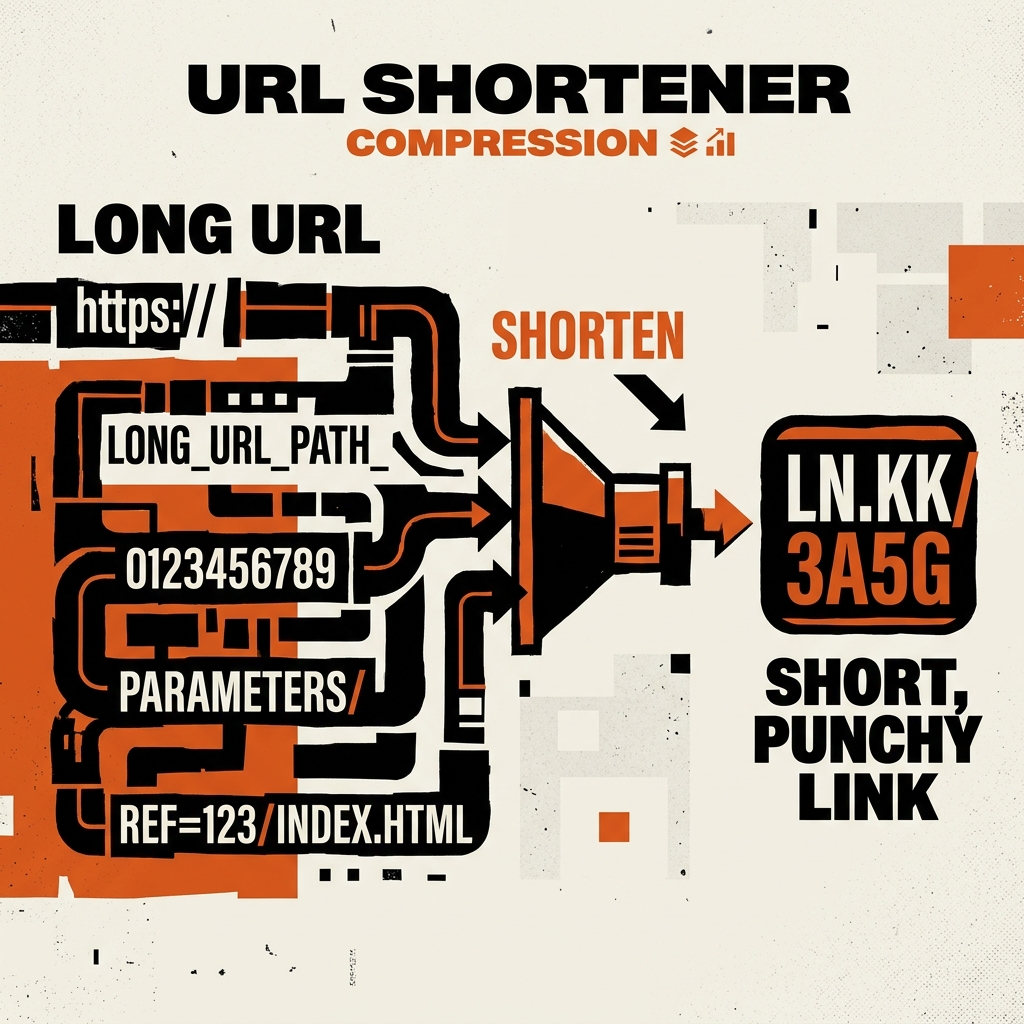
The Science of Trust and Click-Through Rates
Human behavior online is heavily influenced by rapid risk assessment. Before a user clicks any link, they subconsciously evaluate its safety and relevance. Generic links often trigger defense mechanisms because they look identical to malicious phishing attempts. By contrast, descriptive words in a URL create semantic scent, a concept from information foraging theory that describes how users predict the usefulness of a path before taking it. When the semantic scent is strong, confidence increases.
The impact of this psychological shift is measurable. Studies have shown that custom branded links can generate up to a 39% higher CTR compared to standard, unbranded short links. This massive difference is entirely driven by user psychology. A recognizable domain combined with a descriptive path creates a micro-endorsement of the content. Users know exactly what they are getting into, which translates directly to more clicks, longer time on page, and ultimately, higher conversion rates. It is not just about making a link look pretty; it is about fundamentally changing how the user perceives the risk and reward of clicking.
Furthermore, consistent use of custom slugs reinforces brand recall. Every time a user sees a link tied to a specific campaign or brand name, it strengthens their neural pathways associated with that brand. Over time, this consistency builds a reservoir of trust that pays dividends across all marketing channels. It transforms a simple utility into a powerful branding touchpoint, ensuring that every shared link contributes to the overall brand narrative. Cognitive ease plays a massive role here; when information is easy to process, users are more likely to perceive it as true and safe.
Real Example / In Practice
Consider a digital marketer launching a new e-book about SEO strategies. If they share a link like brnk.in/7x9Qz2 on social media, users might hesitate, unsure if it leads to a spam site, a malicious download, or the actual e-book. The random string provides zero context and raises a red flag in a landscape already saturated with malicious links. However, if the marketer uses a custom slug and shares brnk.in/seo-ebook-2026, the intent is immediately clear. The user sees "seo-ebook-2026" and their brain registers it as safe and relevant to their interests. The link itself becomes an advertisement for the content.
This is especially critical in environments with limited characters or high noise, such as Twitter or SMS marketing. A clear, custom slug cuts through the noise and provides a compelling call to action within the link itself. In SMS campaigns, where trust is notoriously low due to the prevalence of phishing scams, a recognizable custom slug can be the deciding factor between a conversion and a blocked number. For more insights on how URLs affect user behavior, you can review guidelines from Google Search Central on URL structure, or explore psychological principles of web design on W3C Web Accessibility Initiative. Customizing your link infrastructure is not merely a cosmetic upgrade; it is a fundamental strategy for optimizing user journey psychology.
Related Articles
brnk Team
The brnk team builds and writes about web tools, link management, and digital productivity. brnk.in is a free URL shortener and QR code generator used by marketers, developers, and content creators worldwide. Learn more about us.