A Complete Guide to Link Cloaking vs. Link Shortening
Published on June 28, 2026 • By brnk Team
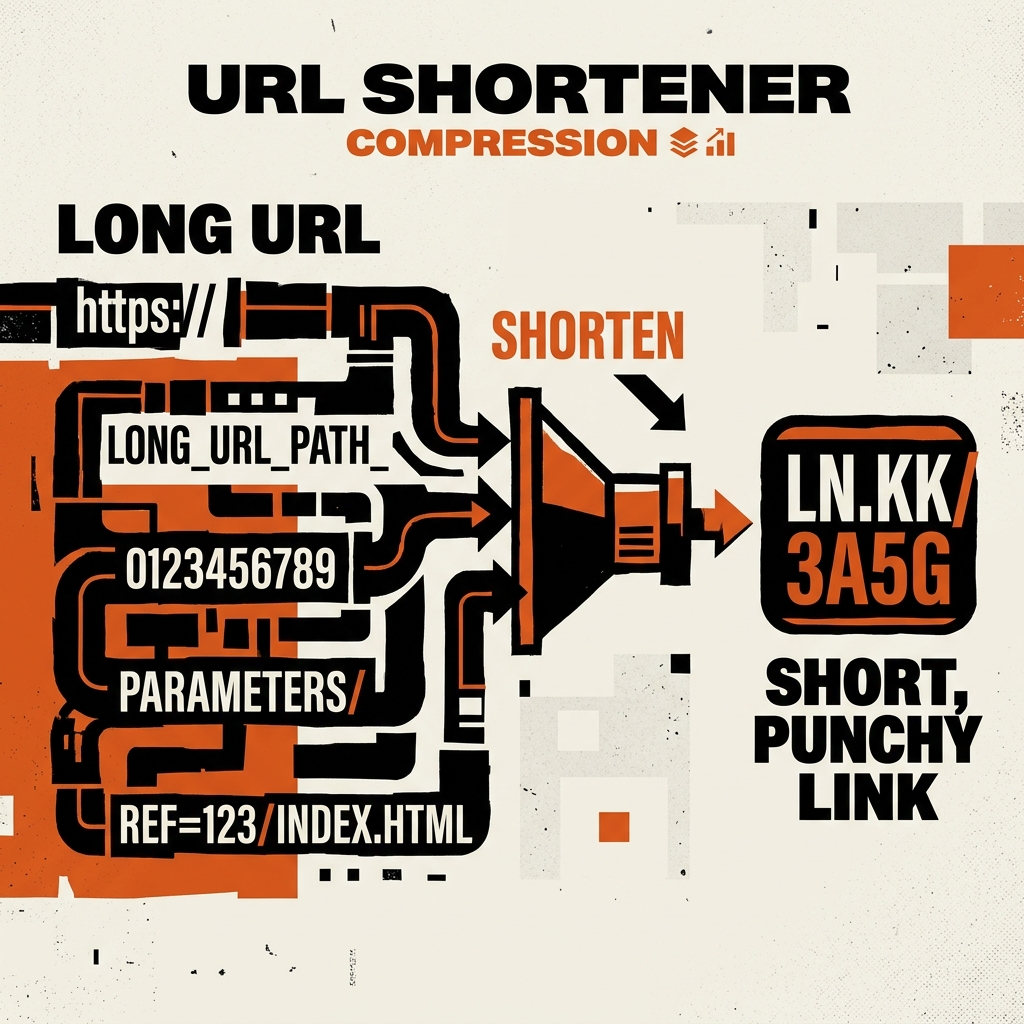
Direct Answer: Link shortening compresses a long URL into a smaller, shareable format that redirects users to the original destination, whereas link cloaking obscures the destination URL entirely by displaying the cloaked link in the browser address bar even after the page has loaded. Link shortening is primarily used to save characters, improve aesthetics, and gather analytics for social media and marketing campaigns. Link cloaking, on the other hand, is predominantly utilized by affiliate marketers to protect their commission IDs from being stripped or hijacked, and to maintain brand consistency by hiding ugly third-party tracking parameters. Understanding this distinction is vital because improper use of cloaking can violate platform terms of service or trigger spam filters, while simple shortening provides transparency. Choosing the right method ensures compliance while maximizing your marketing effectiveness.
Technical Nuances and Use Cases
The technical mechanics separating these two practices are significant. A standard URL shortener operates via an HTTP 301 or 302 redirect. When a user clicks the short link, the server instructs the browser to navigate to the new destination, and the address bar updates to reflect the final URL. This is transparent and generally trusted by users and search engines alike. It provides a clean way to share content while seamlessly routing the traffic to the intended, visible destination.
Link cloaking employs different techniques, most commonly framing (using an HTML iframe to display the destination content while keeping the cloaked URL in the address bar) or server-side URL masking. The primary objective is concealment. Affiliate marketers rely heavily on cloaking to prevent commission theft, a scenario where malicious actors replace the affiliate ID in a visible URL with their own. By cloaking the link, the underlying complex URL with its tracking parameters remains hidden from the user and potential hijackers. Research within the affiliate industry suggests that proper link management, including strategic cloaking, can recover up to 15% of commissions that would otherwise be lost to theft or improper link copying.
However, link cloaking carries inherent risks. Many social media platforms and advertising networks strictly prohibit cloaking because it can be used to hide malicious sites or bypass content review algorithms. Utilizing an iframe to cloak a site can also cause significant issues with mobile responsiveness and SEO, as search engine crawlers struggle to index framed content properly. Therefore, while shortening is universally applicable, cloaking must be applied surgically and only in environments where it is explicitly permitted and necessary for protection.
Real Example / In Practice
An affiliate marketer writes a comprehensive review of a new web hosting service. The raw affiliate link provided by the host is extremely messy: https://www.webhost.com/signup?aff_id=987654321&campaign=summer_review. If they just use a standard URL shortener, the link might look like brnk.in/host-review. When clicked, it redirects, and the user sees the ugly tracking URL in their browser.
If the marketer chooses to cloak the link using their own domain (e.g., reviews.com/recommends/hosting), the user clicks the link, the hosting page loads, but the address bar remains strictly reviews.com/recommends/hosting. This protects the affiliate ID and keeps the branding consistent. For more on safe linking practices, review the Google Search Central Guidelines on Links or read about web security standards at W3C Security.
Related Articles
brnk Team
The brnk team builds and writes about web tools, link management, and digital productivity. brnk.in is a free URL shortener and QR code generator used by marketers, developers, and content creators worldwide. Learn more about us.