Deep Linking vs. Short Linking: What's the Difference?
Published on June 28, 2026 • By brnk Team
Direct Answer: Short linking focuses on transforming long, unwieldy web addresses into concise, easily shareable URLs, while deep linking is designed to route users directly to a specific page or location within a mobile application rather than a website. Short links improve aesthetics, save character space on social media, and provide tracking analytics. Deep links, however, bypass the mobile web browser entirely if the user has the corresponding app installed, delivering a seamless transition from a click to a specific in-app action. Understanding the difference matters because utilizing the wrong link type disrupts the user journey; a short link that doesn't support deep linking might frustrate a mobile user by forcing them to log in via a web browser instead of opening their already authenticated app. Combining both technologies creates powerful, trackable links that intelligently route users based on their device and installed software.
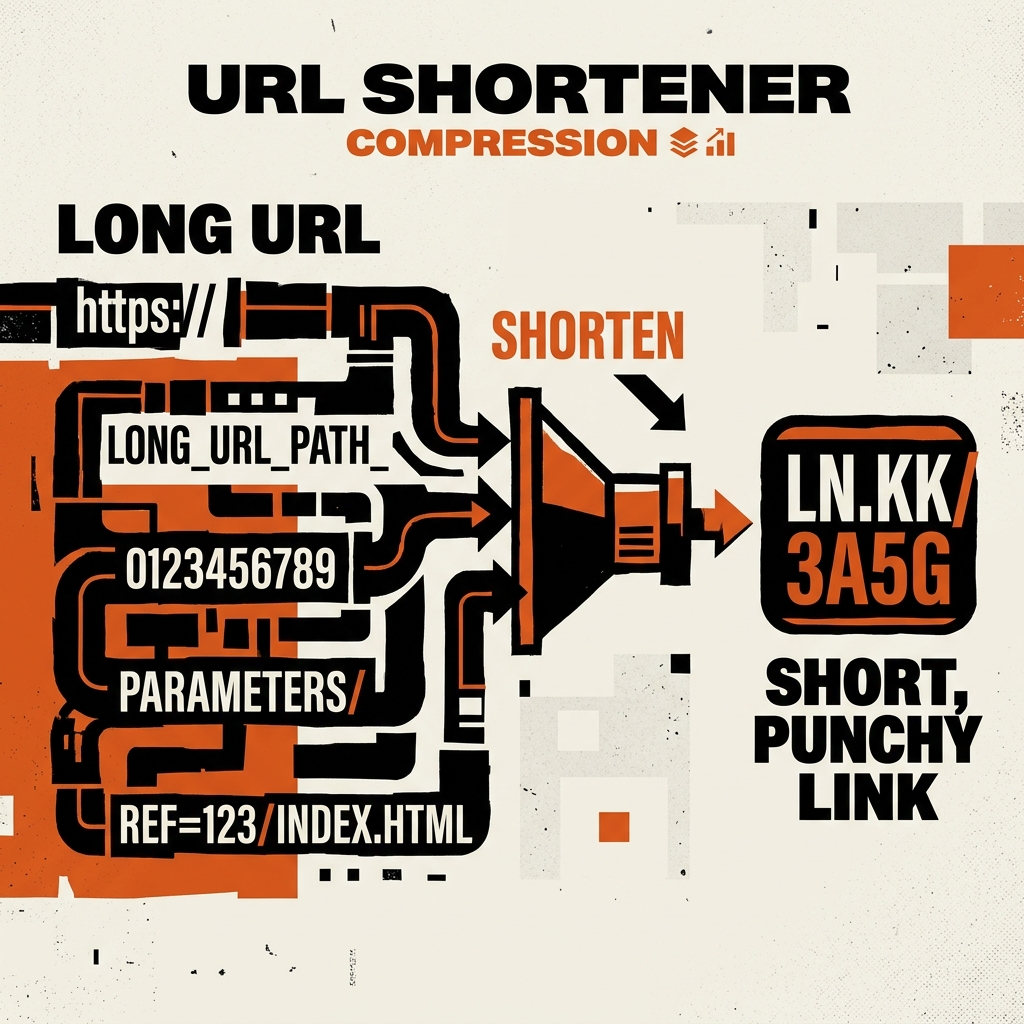
Navigating Link Technologies and User Routing
The distinction between deep linking and short linking fundamentally comes down to their primary purpose: aesthetics and analytics versus application routing. A short link is essentially a redirect. When you click it, the server logs the click data (IP address, location, device type) and forwards you to the destination URL. This is invaluable for marketers who need to track the performance of a campaign across multiple channels without cluttering their copy with massive, intimidating URLs.
Deep linking operates on a more complex technical layer, utilizing mechanisms like Apple Universal Links or Android App Links. When a user clicks a deep link, the operating system intercepts the request. If the target app is installed, the OS opens the app and navigates to the exact content specified by the URI scheme (e.g., viewing a specific product or applying a discount code). If the app is not installed, deferred deep linking can redirect the user to the App Store, and upon installation, still route them to the original intended content. Studies show that leveraging mobile deep linking can result in a 2.5x increase in conversion rates, as it eliminates the friction of web-to-app transitions and capitalizes on the superior user experience of native applications.
The true power emerges when these two concepts are merged. Modern link management platforms allow you to create a short link that possesses deep linking capabilities. This means you get the clean, branded appearance and robust analytics of a short link, alongside the intelligent, device-aware routing of a deep link, ensuring every user gets the most optimized experience possible regardless of how they access the link.
Real Example / In Practice
Consider a fitness brand promoting a new workout routine available exclusively on their mobile app. If they just use a standard link, clicking it on a smartphone opens the mobile web browser, asking the user to log in, which often leads to abandonment. Instead, they create a smart short link with a custom slug, such as brnk.in/summer-workout, equipped with deep linking.
When a user taps this link on their iPhone, the OS detects the installed fitness app and instantly opens the "Summer Workout" video player. If they click it on a desktop, it elegantly falls back to the web version. This flawless execution minimizes drop-off. For further reading on application routing, review Apple's Universal Links Documentation or read up on mobile standards via the W3C Web Standards.
Related Articles

brnk Team
The brnk team builds and writes about web tools, link management, and digital productivity. brnk.in is a free URL shortener and QR code generator used by marketers, developers, and content creators worldwide. Learn more about us.